Your Baby Is Learning Before Birth — How Thoughtful Parents Prepare Early
Pregnancy often begins with physical changes, medical appointments, and new routines. Yet another process is unfolding more quietly. Long before birth, a baby is already sensing aspects of the world they will enter — sound, rhythm, movement, and the emotional environment around them.
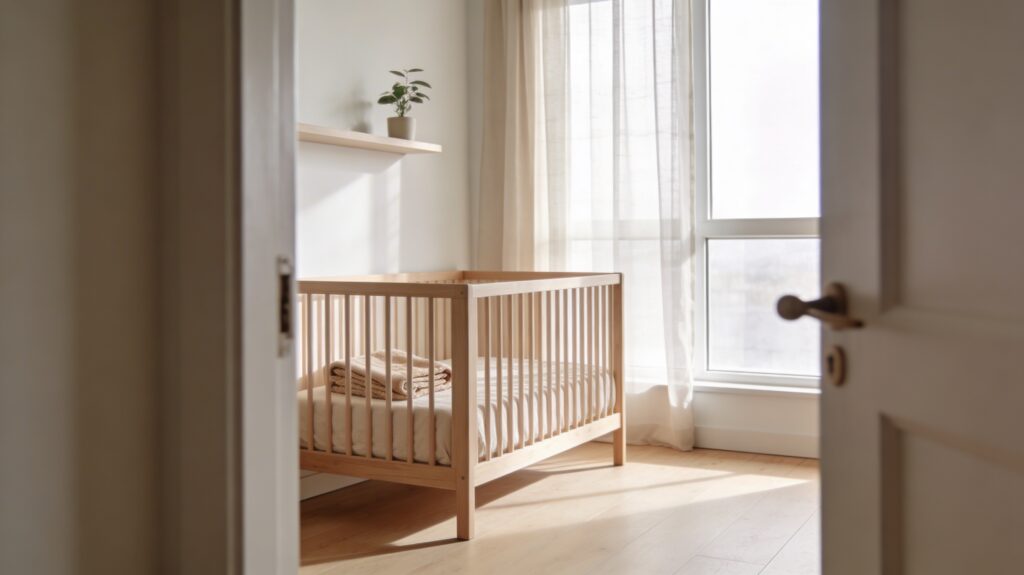
For many parents, this realisation shifts how they think about preparation. Planning is no longer limited to practical items or medical checklists. It becomes an opportunity to create a steady, supportive foundation for a child who is already developing rapidly.
This does not require perfection or specialised knowledge. In most cases, small, intentional choices matter more than elaborate plans.
Can Babies Learn Before They Are Born?
Research in fetal development shows that the brain begins forming early in pregnancy and continues at a remarkable pace throughout the following months. By the third trimester especially, many babies can detect and respond to external stimuli.
What babies may begin to recognise
- Voices: Newborns often show a preference for familiar voices, particularly the parent who carried them.
- Sound patterns: Repeated songs, stories, or rhythms may become recognisable after birth.
- Movement: Gentle motion, such as walking, creates sensory experiences.
- Emotional tone: While babies are not interpreting feelings in an adult sense, prolonged stress hormones can influence the prenatal environment.
It is important not to overstate these findings. Prenatal learning is not about academic development or structured teaching. Instead, it reflects how the nervous system gradually adapts to patterns.
Parents sometimes worry they should be “doing more.” In practice, consistency and calm matter far more than stimulation.
What Does “Preparing Early” Actually Mean?
Early preparation is less about buying items and more about shaping conditions. Thoughtful parents often focus first on the atmosphere they want surrounding their child.
This perspective can reduce the pressure that often accompanies pregnancy. Rather than attempting to optimise every detail, the goal becomes creating a stable starting point.
Preparation often begins with the environment
Consider the difference between planning and accumulating. One emphasises intention; the other can quickly lead to clutter and decision fatigue.
A supportive early environment typically prioritises:
- Predictability over constant stimulation
- Comfort over visual excess
- Safety over novelty
- Quality over quantity
Many experienced parents later report that simpler spaces were easier to manage during the demanding newborn months.
How Your Daily Life Already Shapes the Prenatal Environment
It is easy to assume that preparation requires major lifestyle changes. More often, existing routines already provide what a developing baby needs.
Ordinary actions that contribute to stability
- Maintaining regular sleep patterns where possible
- Attending scheduled medical care
- Eating with reasonable consistency
- Creating moments of quiet during busy days
- Seeking support when stress becomes persistent
None of these actions are about achieving an ideal standard. Pregnancy unfolds within real lives that include work, responsibilities, and unexpected constraints.
Preparation works best when it is realistic enough to sustain.
Common Misunderstandings About Early Development
Information about brain development can sometimes create unnecessary pressure. Clarifying what matters — and what does not — helps parents focus their energy more effectively.
| Misunderstanding | What evidence suggests instead |
|---|---|
| More stimulation leads to better outcomes | Reliable, moderate sensory input supports regulation more effectively than constant novelty. |
| Parents must actively “teach” before birth | Natural exposure to voices and daily life is typically sufficient. |
| Every decision has long-term consequences | Development is shaped over years, not by isolated moments. |
For many readers, releasing these assumptions brings noticeable relief.
The Parenting Identity Often Begins During Pregnancy
Pregnancy is also a psychological transition. Parents frequently begin considering questions that extend well beyond infancy:
- What kind of home do we want to create?
- How busy or calm should daily life feel?
- Which values matter most to us?
- What does support look like in our family?
There are no universal answers. However, reflecting early can make later decisions clearer.
For example, parents who value predictability often design quieter sleep spaces. Those who prioritise independence may later favour accessible, child-level organisation. Others focus on shared family routines.
These patterns usually emerge gradually rather than through a single decision.
Looking Ahead Without Rushing Forward
It is natural to think about the months after birth. Many parents find reassurance in understanding how early choices connect to later stages of development.
This does not mean preparing for toddlerhood during the first trimester. Instead, it involves recognising that children benefit from environments that can adapt as they grow.
Examples of future-aware planning
- Choosing durable furnishings that remain useful beyond infancy
- Leaving physical space for movement rather than filling every corner
- Selecting materials that are easy to maintain
- Avoiding excessive duplication of items
Such decisions often reduce both cost and logistical strain over time.
Why Many Parents Gradually Move Toward “Fewer, Better” Items
After the newborn period, households commonly reassess what is truly helpful. Experienced caregivers often observe that children engage more deeply when options are manageable rather than overwhelming.
This shift is less about aesthetics and more about attention. When the environment is calmer, it is easier for both parent and child to focus.
During pregnancy, it can be useful simply to remember that more is not automatically better. There will be opportunities to adjust once your child’s preferences become clearer.
Emotional Climate Matters — But Not in a Fragile Way
Expectant parents sometimes encounter messages suggesting they must remain calm at all times. This is neither realistic nor supported by evidence.
Short-term stress is part of normal life. What appears more influential is prolonged, unmanaged strain without adequate recovery.
Protective factors often include:
- Supportive relationships
- Opportunities to rest
- Open communication about concerns
- Practical help when workloads increase
Stability does not require constant tranquillity. It grows from responsiveness — noticing when support is needed and allowing it.
Common Pitfalls When Preparing Too Early
Enthusiasm can sometimes lead parents into complicated setups that later prove unnecessary.
Patterns frequently reported by experienced parents
- Purchasing specialised items before understanding daily routines
- Overdesigning nursery spaces that are rarely used at first
- Stockpiling duplicates “just in case”
- Letting checklists override practical judgement
A steadier approach is to begin with essentials and adapt as real needs emerge.
A Reassuring Perspective on Readiness
Preparation is often portrayed as a measurable state — something parents either achieve or fall behind on. In reality, readiness tends to develop through attention rather than completion.
Noticing your surroundings, considering your values, and making gradual adjustments already reflect engaged parenting.
You do not need to anticipate every future stage. Children grow within relationships that continue evolving long after birth.
Beginning With Intention
The prenatal months offer time to orient rather than accelerate. Amid appointments and practical planning, it can help to remember that development is not driven by isolated decisions but by the overall pattern of care surrounding a child.
A consistent environment, realistic expectations, and supportive connections form a durable starting point. From there, most families refine their approach through experience.
You do not need to do everything now. Beginning with awareness is already a meaningful form of preparation — one that allows both parent and child to enter the next stage on steady ground.
